Scorpio News
Navigating Nutrition Onboard: Protecting Your Kidneys
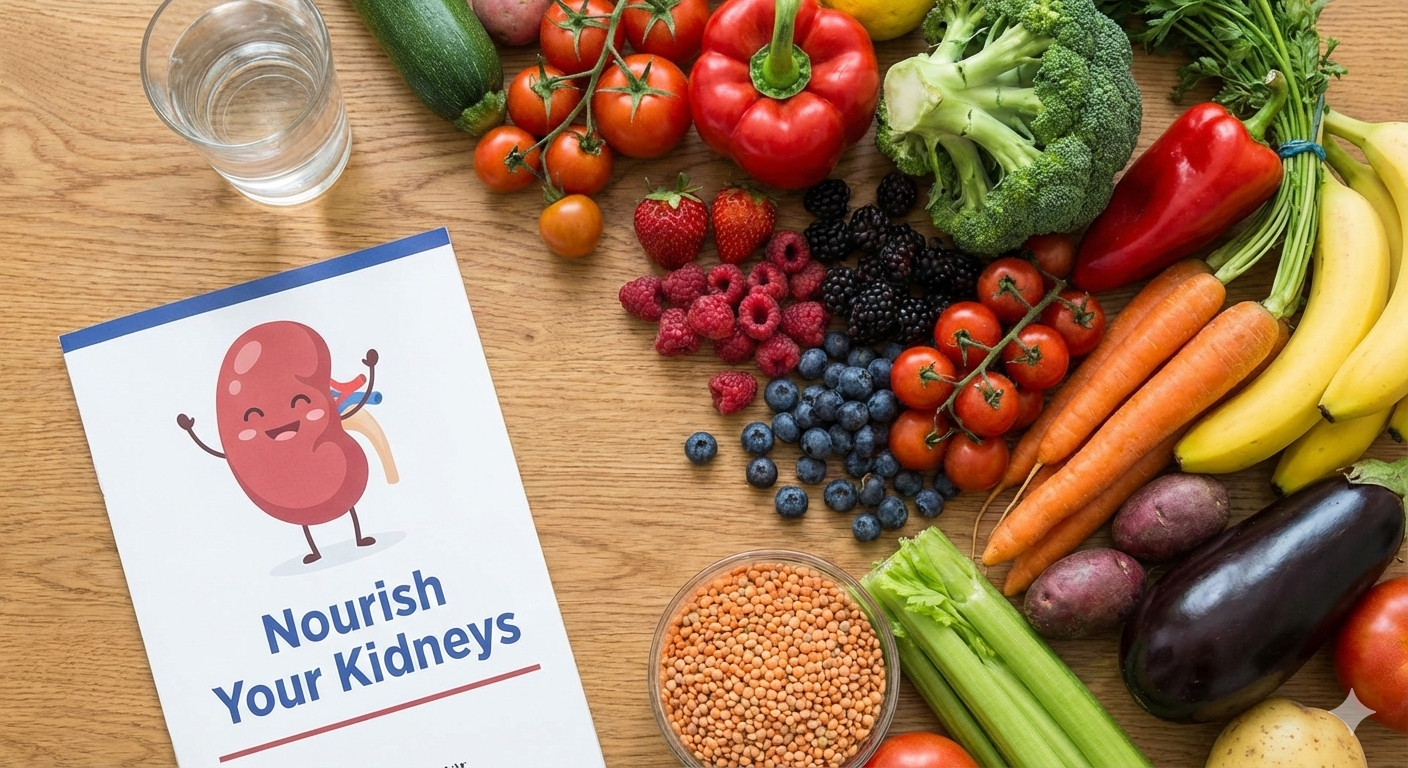
Life at sea is demanding, and seafarers face unique health challenges. One issue often overlooked is kidney health. The kidneys, two fist-sized organs in the lower back, silently filter waste, regulate fluids, and balance electrolytes every single day. When stressed by poor diet or lifestyle, however, they can develop problems that impact energy, productivity, and long-term wellbeing. Among Indian seafarers, habits such as high salt intake, low water consumption during long shifts, and reliance on packaged snacks can increase the risk of kidney strain and stone formation.
Why Kidney Health Matters
Healthy kidneys keep blood pressure stable, remove excess fluids, and support red blood cell production. But kidney disease often develops silently. Early warning signs, like swelling in the ankles, fatigue, or frequent urination at night, are easy to dismiss. By the time symptoms become severe, damage may already be advanced. The good news is that lifestyle changes, especially your salt consumption and hydration, can go a long way in protecting kidney health.
Salt and the Strain on Kidneys
Sodium (salt) plays a vital role in fluid balance, but most people consume far more than they need. A diet high in sodium makes the body hold on to extra water, increasing blood pressure and forcing the kidneys to work harder.
Over time, excess salt can:
- Raise blood pressure and damage delicate kidney blood vessels.
- Speed up kidney decline in those with early kidney disease.
- Cause protein leakage in urine, an early warning of kidney damage.
- Increase calcium in urine, which promotes kidney stone formation.
- Lead to swelling in legs, ankles, or face due to water retention.
For seafarers, where salty snacks, instant noodles, and preserved foods are common, the risks are even higher.
Kidney Stones: A Painful Wake-Up Call
Kidney stones form when minerals like calcium build up in urine and crystallize. High sodium intake is a direct contributor because it pushes more calcium into urine. Hot shipboard environments and long hours also increase dehydration risk, further raising the chance of stones.
Kidney stones can require hospitalization and their presence can therefore flag a PEME check-up, preventing a seafarer from being cleared for duty. Crew members who have experienced kidney stones often describe it as one of the most painful health episodes in their life. Recurrent stones can damage kidney tissue and may even require hospitalization or surgery.
Foods and Nutrients That May Help
For those prone to kidney stones, small dietary shifts can make a big difference:
- Citrus fruits (lemons, oranges): Contain citrate, which helps prevent stones from forming.
- Calcium-rich foods (milk, yogurt, paneer): Adequate calcium from food binds with oxalate in the gut, lowering stone risk.
- Magnesium sources (nuts, seeds, leafy greens): Help reduce oxalate absorption.
- Limit high-oxalate foods: Spinach, beetroot, almonds, cashews, and excessive tea or coffee can raise stone risk if eaten in large amounts.
- Avoid high-dose vitamin C supplements: These may increase oxalate production.
Practical Prevention Onboard
- Stay Hydrated
- Aim for 8–10 glasses of water daily, more in hot conditions.
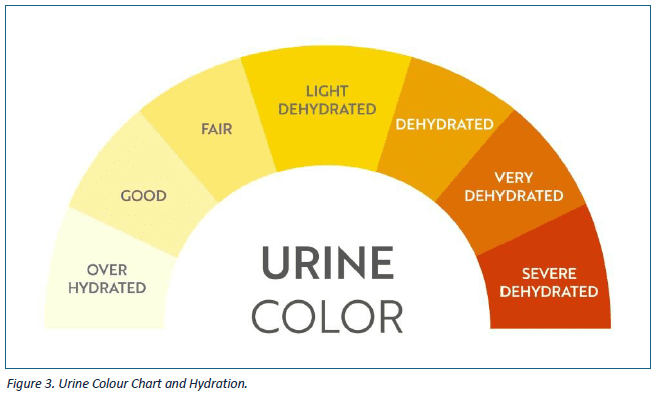
- Carry a refillable bottle and monitor urine color—pale yellow is ideal.
- Avoid depending on sodas or energy drinks for fluids.
- Cut Back on Salt
- Limit processed foods like noodles, chips, and preserved meats.
- Ask cooks to flavor meals with herbs, lemon, or spices instead of salt.
- Avoid adding extra salt at the table.
- Balance Protein Intake
- Protein is important for strength, but too much can strain kidneys. Aim for moderate portions of fish, poultry, or eggs.
- Smarter Snacks
- Swap salty biscuits or chips for:
- Fresh fruit (apples, oranges, bananas)
- Unsalted nuts or roasted chickpeas
- Yogurt or boiled eggs
- Keep Moving
Regular activity helps maintain weight, control blood pressure, and reduce diabetes risk—all of which protect kidneys. Even short walks, stretches, or bodyweight exercises onboard count
Final Thoughts
Kidney problems may be silent, but they are preventable. By cutting back on salt, staying hydrated, eating balanced meals, and moving daily, seafarers can safeguard one of the body’s most vital systems. Small changes, such as replacing soda with water, or choosing healthy snacks over chips, add up to long-term protection. Your kidneys work tirelessly for you. Give them the care they deserve, both onboard and ashore.
Wellness Coaching at SMM

Anushri Patil, Clinical Nutritionist with a specialisation in Nutritional Psychiatry, Diabetes Educator, Certified Yoga Instructor, and Wellness Coach, has over five years of experience in preventive health. At Scorpio’s Mumbai office, she leads wellness initiatives for seafarers and shore staff, offering tailored programs, nutrition education, and consultations to support sustainable, healthy habits. Seafarers registered through SMM can schedule a nutrition consultation.
This article featured in Beacon 29; while onboard, all issues are accessible on Docmap.