
Scorpio News
Navigating Nutrition Onboard: Tips for Healthy Weight Management
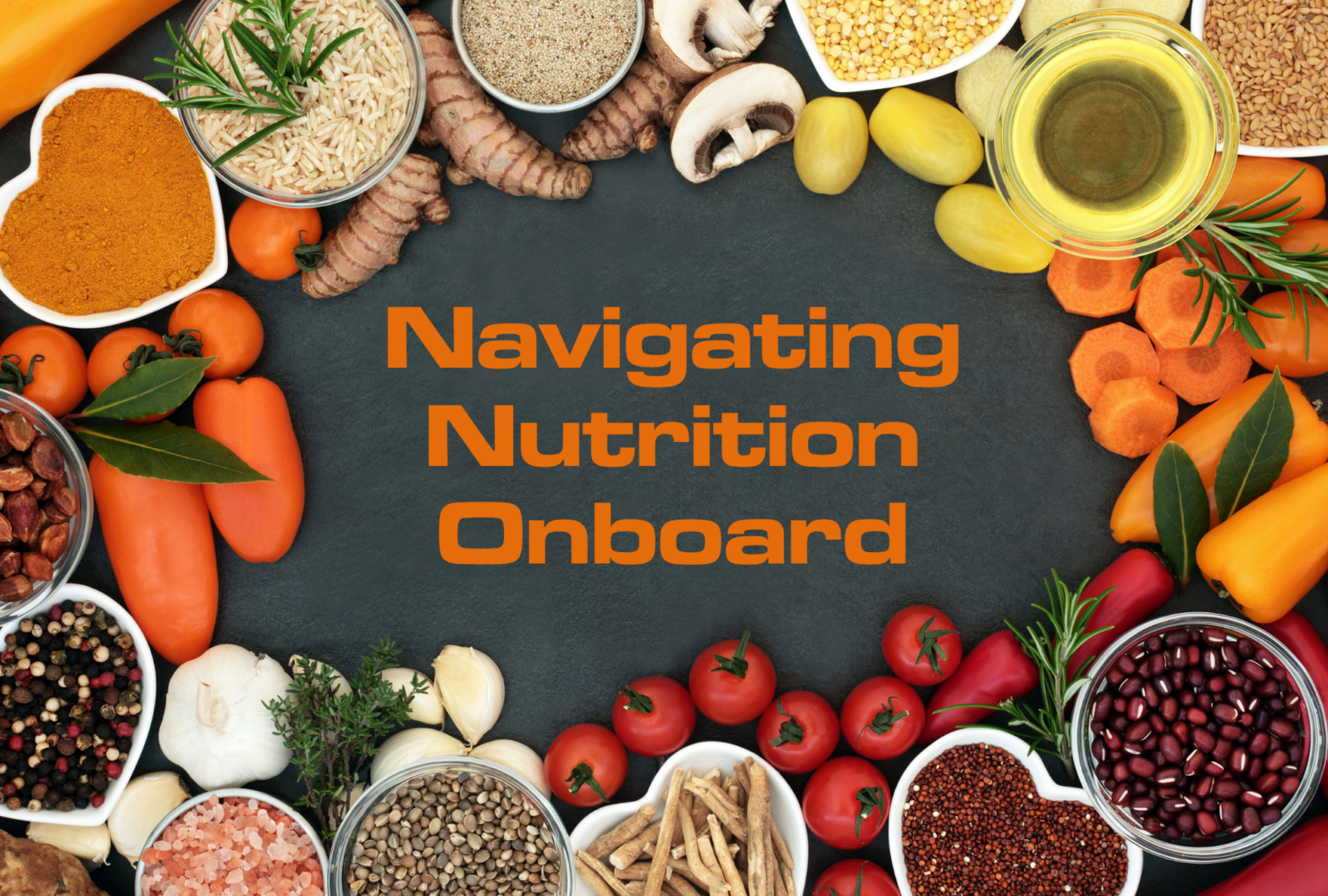
Maintaining a healthy weight is not about strict dieting or skipping meals. It’s about making simple, smart choices every day, choices that fit your routine, whether you are onboard a ship or working in an office. Long duty hours, irregular sleep, limited food options, and stress can make weight management challenging. However, with small and consistent changes, it becomes much easier and sustainable.
 Why Your Weight Matters
Your weight directly affects how you feel and perform each day. When managed well, it helps maintain steady energy levels, better focus, and less fatigue, especially during long shifts. On the other hand, gradual weight gain can lead to tiredness, reduced stamina, and increased risk of lifestyle-related health issues. The goal is not to be thin, but to be fit, active, and energetic.
Understanding Your Daily Challenges
For seafarers, fixed menus, heavy meals, night shifts, and limited movement often make healthy choices difficult. Eating can sometimes become a habit rather than a need. For shore staff, long sitting hours, frequent tea or coffee with sugar, ordering outside food, and stress-related eating are common challenges. Recognizing these patterns is the first step toward improving them.
Start Small, Stay Connected
Instead of trying to change everything at once, begin with a few simple habits:
- Drink more water during the day
- Reduce sugar in tea or coffee
- Add a short walk to your daily routine
Small steps done daily give better results than big changes done occasionally.
Simple Habits That Make A Difference
 Eat at regular times. Skipping meals often leads to overeating later. Try to maintain a routine of breakfast, lunch, dinner, and 1–2 small snacks to keep your energy steady.
- Balance your meals. A simple way to eat right is to fill half your plate with vegetables, keep one portion for carbohydrates such as rice or bread, and include a source of protein like dal, beans, eggs, chicken, or fish. This balance helps you stay full for longer.
- Watch your portion size. You don’t need to avoid your favourite foods— just be mindful of the quantity. Eating slowly and stopping when you feel comfortably full can prevent overeating.
- Be careful with hidden calories. Extra calories often come from small habits like sugary tea or coffee, biscuits, and packaged snacks. Reducing sugar and choosing better options like fruits or nuts can make a big difference.
- Choose smarter snacks. Instead of reaching for chips or biscuits, go for fruits, a handful of nuts, yoghurt, or buttermilk. These options are lighter and keep you satisfied.
 Stay well hydrated. Many times, thirst is mistaken for hunger. Drinking enough water—around 2.5 to 3 litres a day—can help control unnecessary eating and keep you active.
- Move more during the day. You don’t need a gym to stay active. Simple habits like walking for 10–15 minutes after meals, stretching during breaks, or taking the stairs can improve your overall fitness.
- Be mindful of late-night eating. Especially during night shifts, eating heavy meals can lead to discomfort and weight gain. Choose lighter options like fruit, soup, yoghurt or buttermilk, and eat only when truly hungry.
- Prioritize sleep and rest. Lack of sleep can increase hunger and cravings. Aim
for adequate rest based on your work schedule to support better health. - Manage stress without food. Stress eating is common but avoidable. Simple activities like deep breathing, taking a short walk, listening to music, or talking to someone can help manage stress effectively.
What To Avoid
Avoid extreme or quick-fix approaches such as crash dieting, skipping meals regularly, or completely cutting out certain food groups. These methods may give short-term results but are difficult to maintain and may affect your health over time.
Consistency Is Key
You don’t need to follow everything perfectly. Even small changes like drinking more water, reducing sugar, and staying active can create meaningful results when done consistently.
Final Thought Management
Whether you are at sea or on shore, your health plays a key role in your daily performance and overall well-being. Managing your weight is not about restriction, it is about making better choices, one day at a time.
Driving Wellness Forward: Wellness Coaching at SMM

Anushri Patil, Clinical Nutritionist with a specialisation in Nutritional Psychiatry, Diabetes Educator, Certified Yoga Instructor, Wellness Coach, and she has over five years of experience in preventive health. At Scorpio’s Mumbai office, she leads wellness initiatives for seafarers and shore staff, offering tailored programs, nutrition education, and consultations to support sustainable, healthy habits. Seafarers registered through SMM can schedule a nutrition consultation.
This article features in Beacon 31. While onboard, all issues are accessible on Docmap.